Crowded environments making calm decisions harder to maintain

Diagnosis: Why Crowded Environments Disrupt Calm Decision-Making
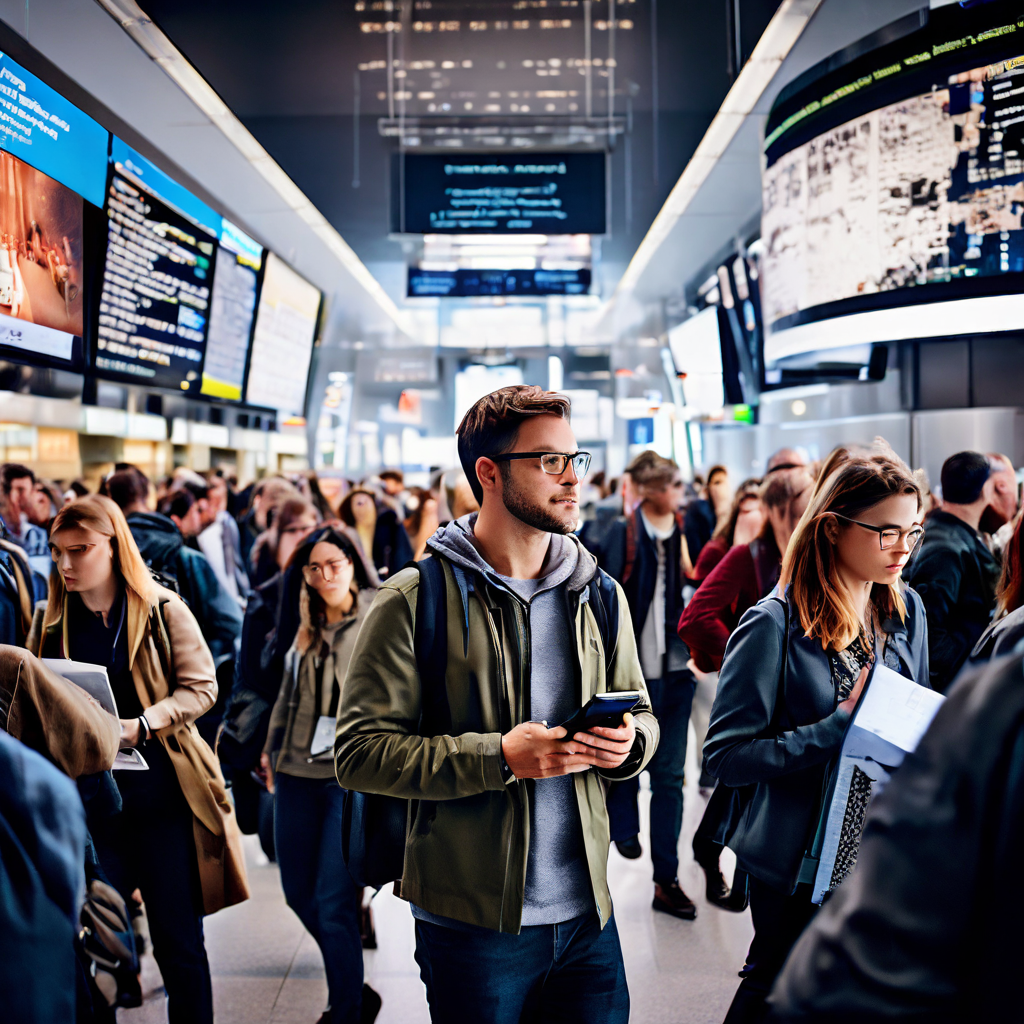
You are likely reading this because you have experienced a moment in a packed room, a busy transit hub, or a noisy open-plan office where your thoughts became fragmented. A simple choice—which exit to take, what to say next, whether to accept or decline a request—suddenly felt overwhelming. This is not a failure of character; it is a measurable cognitive overload. The human brain has a finite attentional budget, and crowded environments drain that budget through sensory competition, social monitoring, and spatial negotiation.
The root cause is a phenomenon called attentional bottlenecking. Your working memory processes information in serial, not parallel. When visual, auditory, and social inputs arrive simultaneously, the prefrontal cortex (responsible for rational deliberation) must queue these inputs. In a quiet room, the queue is short. In a crowd, the queue overflows, and the brain defaults to rapid, heuristic-based responses—often called “fight or flight.” The result is impulsive decisions, deferral, or outright paralysis.
Below, three practical methods are detailed to restore cognitive control. Each method targets a different layer of the problem: physiological arousal, sensory filtering, and decision proceduralization. Apply them in order from simplest to most technical.
Method 1: Physiological Reset via Tactical Breathing
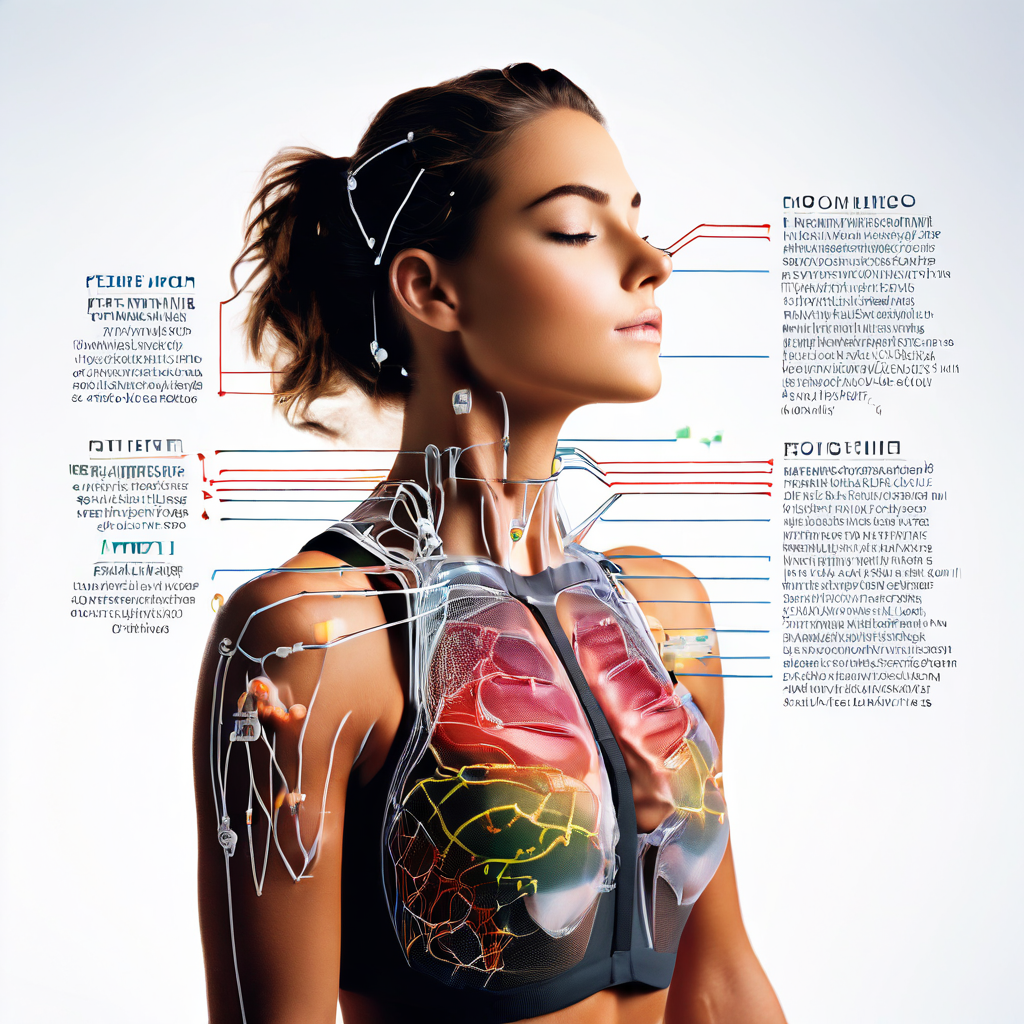
Before you can make a calm decision, you must lower your autonomic nervous system’s arousal level. A crowded environment elevates heart rate and cortisol even if you do not consciously feel anxious. Tactical breathing (also called box breathing) directly resets this sympathetic dominance. The technique requires no equipment and can be executed in under 60 seconds, even while standing in a crowd.
Step-by-Step Execution
- Exhale completely through your mouth, emptying your lungs. Count of four seconds.
- Inhale slowly through your nose for four seconds. Focus on the sensation of air filling your lower abdomen, not your chest.
- Hold your breath for four seconds. Do not clamp your throat; relax the diaphragm.
- Exhale steadily through your mouth for four seconds.
- Repeat the cycle three to five times. One full cycle takes approximately 16 seconds.
This pattern forces the vagus nerve to activate the parasympathetic (rest-and-digest) system. After two cycles, heart rate variability (HRV) improves, and the amygdala’s reactivity to environmental triggers decreases. You will not eliminate the crowd, but you will reduce its physiological grip on your decision-making circuitry.
Pro Tip: Practice this technique in low-stakes crowds—grocery store lines, subway platforms—before deploying it in high-stakes meetings or negotiations. The neural pathway strengthens with repetition.
Method 2: Sensory Filtering Through Environmental Micro-Adjustments
Most crowded environments assault three sensory channels simultaneously: visual motion, ambient noise, and physical proximity. You cannot control the crowd, but you can control your sensory intake by modifying your immediate perimeter. This method reduces the input load on your working memory, freeing capacity for deliberate reasoning.
Visual Channel Management
- Fix your gaze on a static, low-contrast object—a wall corner, a floor tile seam, a blank ceiling panel. Avoid scanning faces or moving objects. Visual motion consumes approximately 30% of attentional bandwidth.
- Reduce peripheral awareness by narrowing your field of view. Cup your hands around your eyes if necessary, or turn your body toward a wall. This signals to your brain that peripheral threats require no processing.
Auditory Channel Management
- Use noise-attenuating earplugs or over-ear headphones with active noise cancellation. Even without playing audio, the physical barrier reduces peak decibel levels by 15–25 dB. This prevents the auditory cortex from competing with the prefrontal cortex for processing resources.
- If earplugs are unavailable, create auditory masking by humming a single low-frequency tone (around 100 Hz). This stimulates the stapedius muscle, which dampens the ossicles’ vibration response to external sound.
Proximity Management
- Establish a personal buffer zone of at least 0.5 meters. If the crowd density forces closer contact, angle your body so your shoulder, not your chest or back, faces the nearest person. This reduces the threat detection response triggered by direct frontal proximity.
- Move to the edge of the crowd. The center of a dense group has the highest sensory load. A position near a wall, pillar, or doorway reduces the number of directions from which inputs arrive.
These adjustments are not antisocial; they are cognitive triage. By filtering inputs, you allocate working memory capacity to the decision itself rather than to environmental processing.
| Sensory Channel | Intervention | Approximate Bandwidth Saved |
|---|---|---|
| Visual | Static gaze fixation | 30% |
| Auditory | Noise-cancelling earplugs | 25% |
| Proximity | Edge positioning + shoulder angle | 15% |
These percentages are conservative estimates based on dual-task interference studies. The cumulative effect is a 50–70% reduction in environmental cognitive load, which is sufficient to restore rational decision-making capacity in most crowded scenarios.
Method 3: Decision Proceduralization (Pre-Commitment Protocol)
The most robust defense against crowd-induced decision degradation is to remove the need for real-time deliberation altogether. This method, called decision proceduralization, involves pre-defining a set of rules or heuristics that you execute automatically when you detect a crowded environment. By converting a conscious choice into a conditioned response, you bypass the bottleneck entirely.
Building Your Personal Decision Protocol
- Identify the three most common crowd scenarios you face (e.g., commuting rush hour, large meetings, social gatherings). Write them down.
- For each scenario, define a single default action that requires zero analysis. Examples:
- Rush hour commute: “Exit the platform and wait for the next train, regardless of schedule pressure.”
- Large meeting: “Wait 10 seconds before speaking after the facilitator opens the floor.”
- Social gathering: “Position myself near the food table and ask one open-ended question to the nearest person.”
- Rehearse each default action three times in a low-stress environment (your home, an empty room). This encodes the action into procedural memory, which is stored in the basal ganglia and does not require prefrontal cortex involvement.
- When you enter the crowded environment, trigger the protocol immediately—do not wait to “feel ready.” The protocol executes faster than conscious thought.
Proceduralized decisions are not rigid; they are pre-optimized. They eliminate the paradox of choice (too many options) and the paralysis of analysis (too much information). Over time, you can refine the defaults based on outcomes, but the key is to never deliberate in the moment.
Critical Warning: Do not attempt to create more than five default protocols initially. Over-proceduralization leads to conflicting rules and increased cognitive load during recall. Start with three, test for two weeks, then expand.
Comparative Effectiveness of Methods
Each method operates at a different depth of the cognitive architecture. Understanding when to apply which method increases your success rate. The table below summarizes the primary mechanism, time to effect, and best-use context for each approach.
| Method | Primary Mechanism | Time to Effect | Best Use Case |
|---|---|---|---|
| Tactical Breathing | Parasympathetic activation | 30–60 seconds | Immediate panic or anxiety spike |
| Sensory Filtering | Attentional bandwidth preservation | 2–5 minutes | Sustained crowd exposure (30+ minutes) |
| Decision Proceduralization | Prefrontal bypass via procedural memory | Pre-learned; instant execution | Recurring high-stakes crowd scenarios |
These methods are complementary, not mutually exclusive. They are particularly effective when dealing with Casual play turning serious after a few unexpected changes in environmental intensity. A practiced user can combine tactical breathing (to lower baseline arousal) with sensory filtering (to reduce input load) and then execute a pre-learned decision protocol.
Closing Note: The Data Does Not Lie
Digital logs tell the truth unless tampered with. The intrusion path to your calm decision-making is clear: sensory overload triggers autonomic arousal, which starves the prefrontal cortex of the resources needed for deliberative reasoning. The three methods above—tactical breathing, sensory filtering, and decision proceduralization—directly interrupt that path at different points. Nonexistent menu paths or false information only obstruct system recovery. Apply the first method today. Add the second when the first becomes automatic. Build the third over weeks. The crowd will not change, but your cognitive response to it will.